
A Local Look at Gumbo in Lafourche Parish
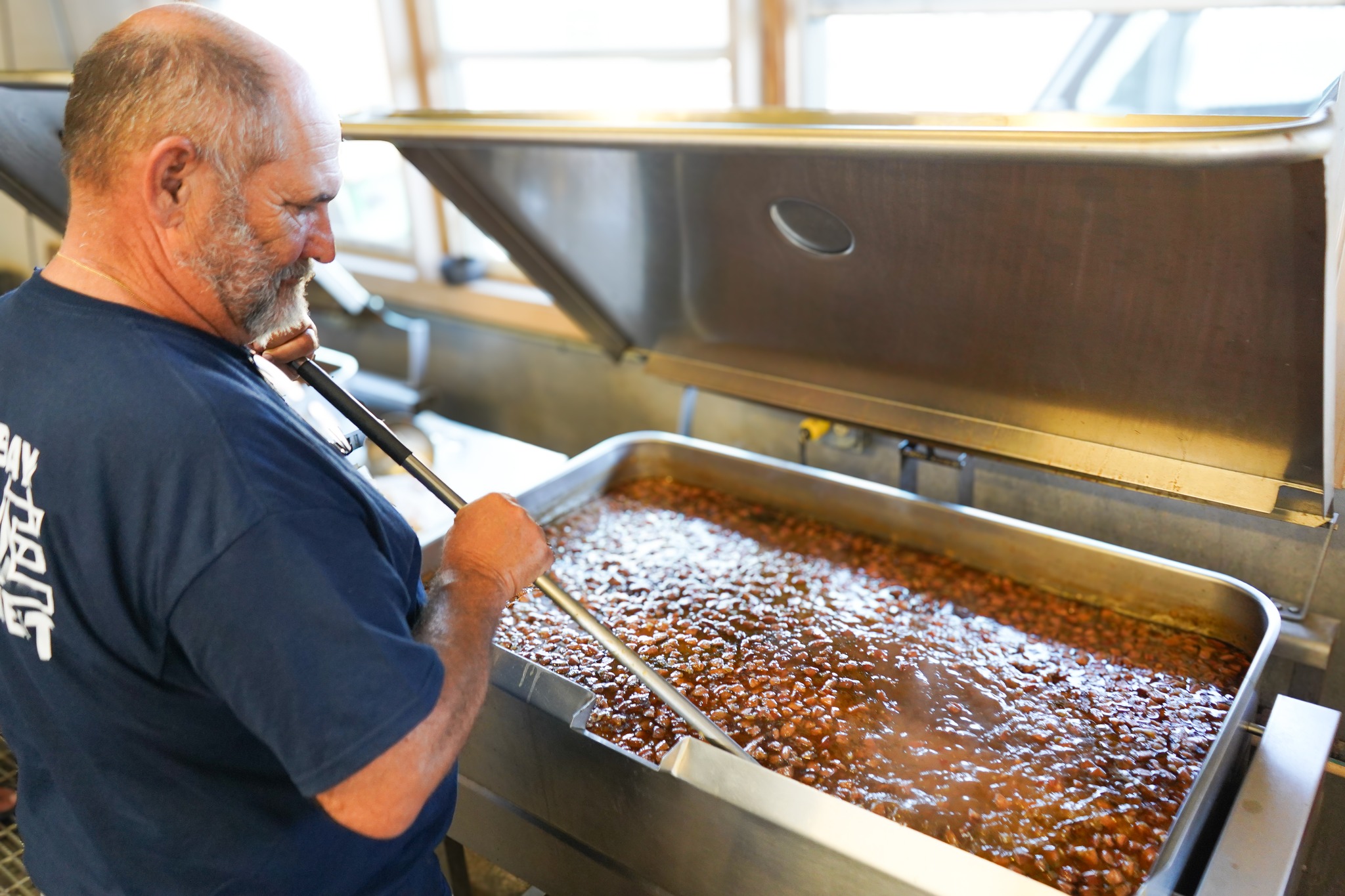
There’s no one-size-fits-all recipe for gumbo, and that’s exactly how the chefs here in Louisiana’s Cajun Bayou like it. October is the unofficial start to gumbo season (and National Gumbo Day is celebrated October 12), so we want to dig into the story of one of our most beloved dishes and discover the techniques and local flavors that make each pot a little different.
At its heart, gumbo is a hearty Louisiana stew traditionally built around a flavorful roux; the “holy trinity” of onion, celery and bell pepper; and a combination of meats, seafoods and seasonings. But ask a handful of cooks exactly what makes a great gumbo, and you’ll get several different answers … along with a spirited debate about what actually belongs in a gumbo pot.
That variety is part of gumbo’s big story. Here, where food traditions are deeply connected to our waterways and communities, gumbo has always been more than just a meal. It’s a way of bringing people together and putting a cook’s individual stamp on a time-honored tradition.
So, what happens when local chefs get their hands on a gumbo spoon? Around here, the answer is … it depends.
At Lafourche Landing, Chef Alicia Cheramie starts with a traditional roux when she’s making her chicken and smoked sausage gumbo. From there, onions and celery cook down into the roux, building another layer of flavor. However, Alicia says the real secret is in her blend of herbs (which, of course, we can’t tell you because we’re not in the business of giving away trade secrets). And when the weather turns cooler and local oysters are plump and delicious, the restaurant changes things up with a seasonal seafood gumbo. Alicia says the key to getting that version just right is starting with fresh shrimp stock.
At Grady V’s, Chef Brent Daigle takes a different approach to the base, using a light-brown “peanut butter” roux. The result is a nutty flavor without the richness that accompanies a darker roux, creating what Daigle describes as a more entrée-style gumbo than one that’s served as an appetizer.
For Gina Griffin of Griffin’s Restaurant, the individuality of gumbo starts with the person stirring the pot. Her gumbo began with a family recipe, but she’s added her own influences over the years. She favors a soupy gumbo with a deeply flavored stock, plenty of meat and enough herbs that you can see them floating throughout the broth. Where it really gets unique is with Gina’s okra gumbo, which skips the roux altogether. She smothers the okra just enough to develop flavor while keeping much of it whole, then adds shrimp, smoked sausage, canned tomatoes and prepared stock. Tomatoes may be a no-no in most Cajun gumbo traditions, but that doesn’t stop Gina.
Though their techniques and ingredients may differ, these chefs share a common philosophy: gumbo is meant to be made with love, then enjoyed and shared. There may be plenty of opinions about the “right” way to make it, but the one thing people around here can agree on is that there’s always room for another pot of gumbo, with another story behind it.